Wide-body · Twin-engine
Airbus A330
The workhorse widebody trusted across the globe
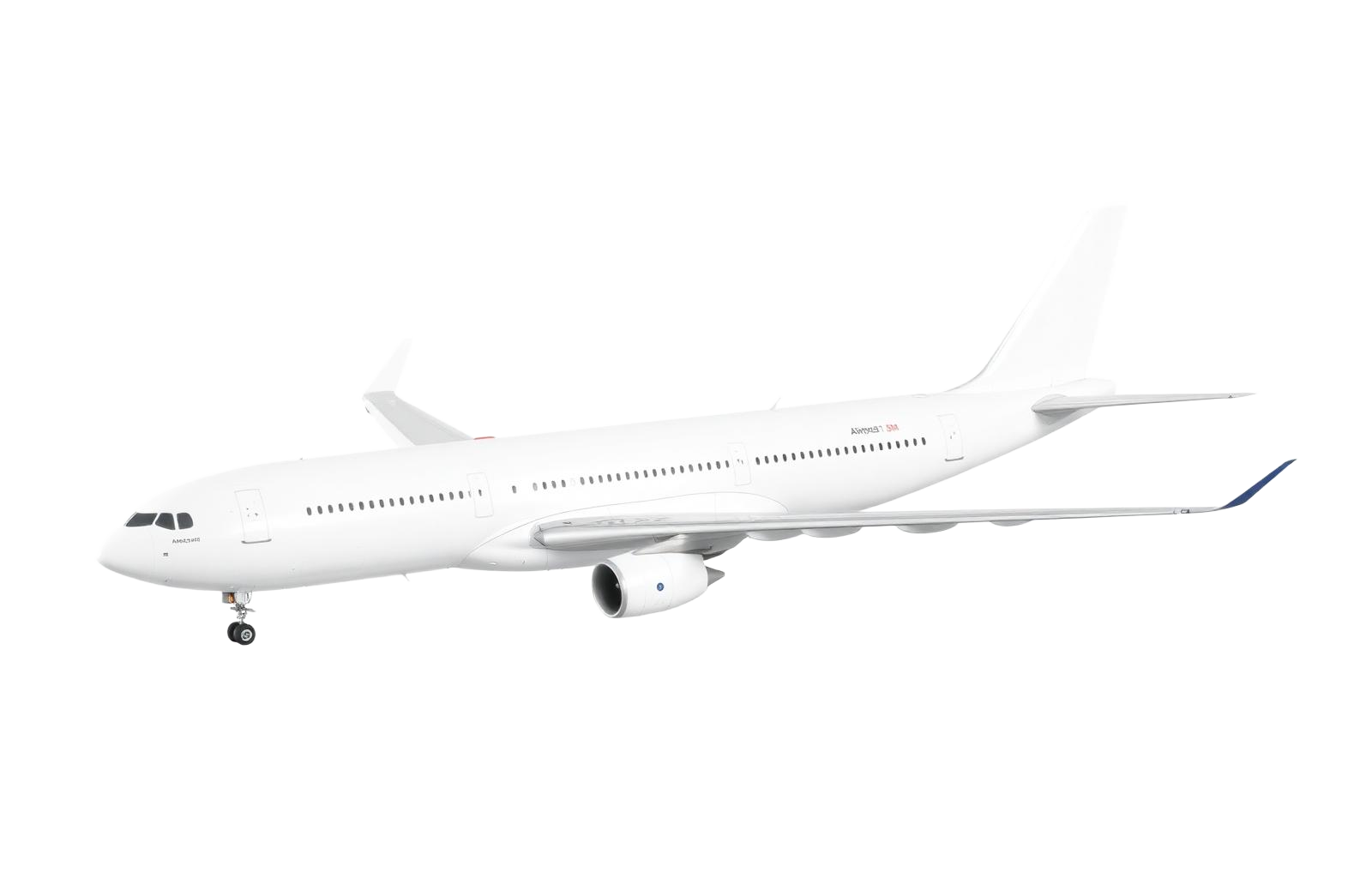
Quick specifications
Length
63.7 m (209 ft)
Wingspan
60.3 m (197 ft 10 in)
Range
6,350 nm (11,750 km)
Seating capacity
277–293 (3-class)
Engine type
2 × CF6-80E1, PW4000, or Trent 700
Cruise speed
Mach 0.82
Background
History & Development
The A330 was launched in 1987 alongside its four-engine sister, the A340, sharing the same wing and fuselage but differing in engine count to suit different route lengths and the ETOPS regulations of the time. It first flew in November 1992 and entered service in 1994. As twin-engine long-haul (ETOPS) approvals expanded through the 1990s and 2000s, the A330's operating economics increasingly outcompeted its four-engine sibling, and it went on to become one of the best-selling widebody aircraft ever built. Airbus later re-engined the family as the A330neo (new A330-800 and A330-900 variants), extending range and improving fuel efficiency while retaining the proven airframe.
Airframe
Design & Engineering
The A330 shares cockpit design, fly-by-wire systems, and a common type rating with the A340, meaning pilots can be qualified to fly both aircraft with minimal additional training - a deliberate Airbus family strategy that reduces training costs for airlines operating mixed fleets. The A330neo variants add new composite wingtip devices for improved aerodynamic efficiency.
Powerplant
Engines
The original A330 offers three engine options - General Electric's CF6-80E1, Pratt & Whitney's PW4000, and Rolls-Royce's Trent 700 - giving airlines flexibility to standardize around an existing engine fleet. The re-engined A330neo uses the Rolls-Royce Trent 7000 exclusively, delivering a meaningful step up in fuel efficiency.
On board
Cabin & Interior
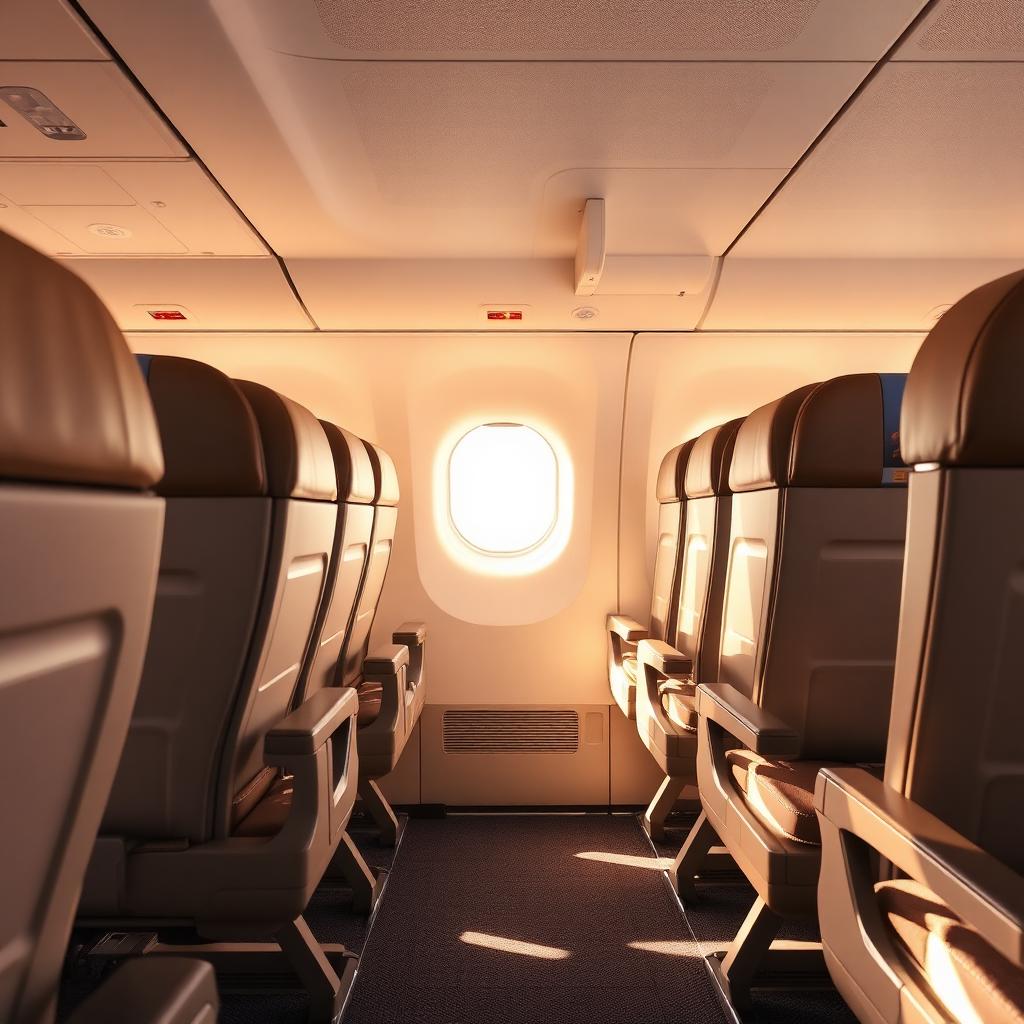
A330 cabins typically run two or three classes, seating around 260–300 passengers depending on configuration, with a twin-aisle layout common across most operators. The A330-900neo can carry up to roughly 460 passengers in a high-density single-class configuration, making it a popular choice for both long-haul network carriers and high-capacity leisure routes.
Family
Variants
A330-200
Shorter fuselage, longer range.
A330-300
Original, higher-capacity baseline.
A330-200F
Dedicated freighter.
A330 MRTT
Military tanker/transport derivative.
A330-800 / A330-900 (A330neo)
Re-engined, more efficient successors.
Enquire about this aircraft
Looking for a proven, flexible widebody for your network? Get in touch to discuss A330 availability.
Enquire now