Wide-body · Twin-engine
Boeing 777
The world's most successful twin-engine widebody
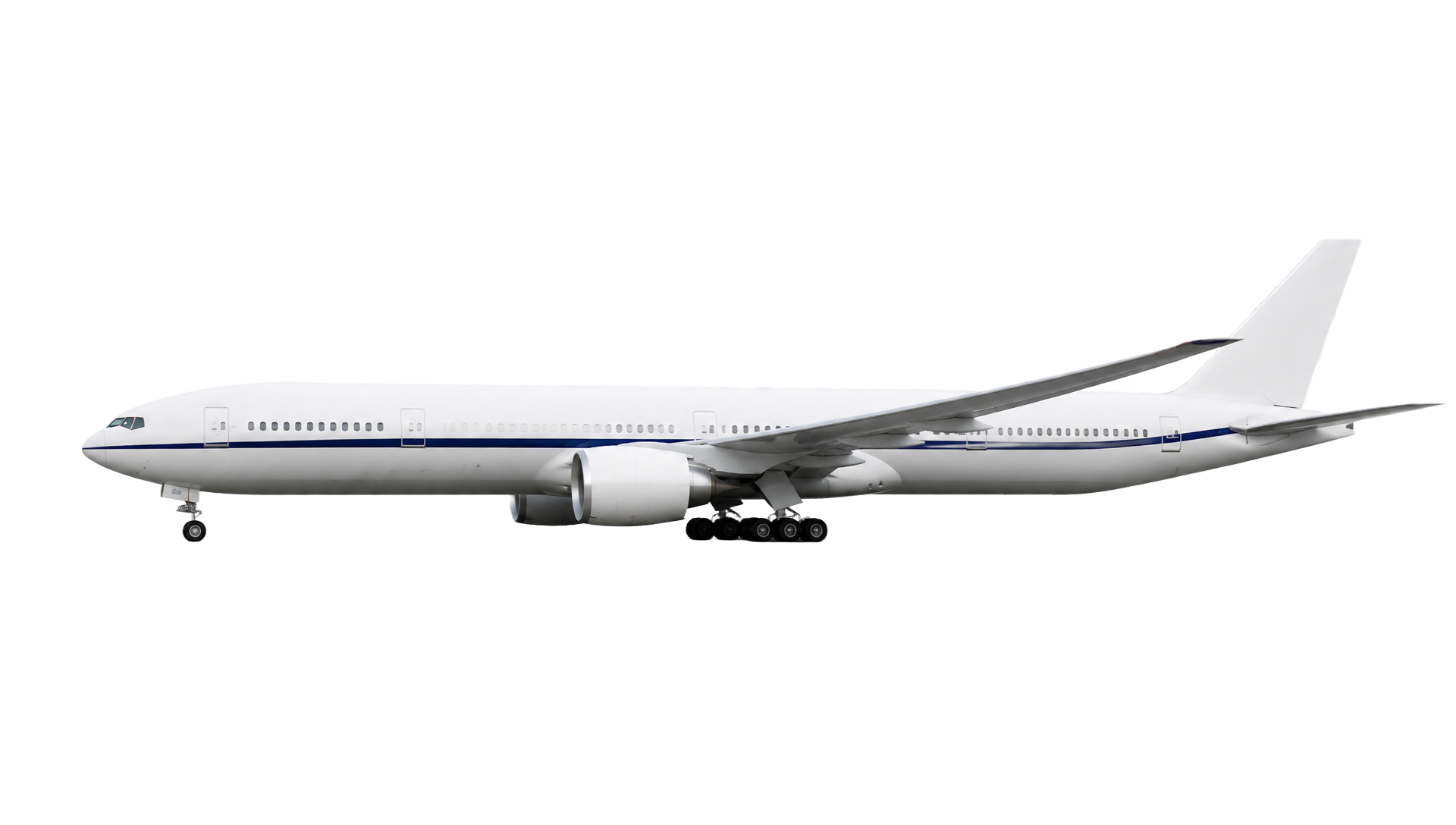
Quick specifications
Length
242 ft 4 in (73.9 m)
Wingspan
212 ft 7 in (64.8 m)
Range
7,370 nm (13,650 km)
Seating capacity
396 passengers (3-class)
Engine type
2 × GE90-115B
Cruise speed
Mach 0.84
Background
History & Development
Boeing launched the 777 program in 1990 in direct response to airline demand for a widebody sized between the 767 and the 747. Rather than design in isolation, Boeing invited eight major airlines - United, American, Delta, British Airways, Japan Airlines, All Nippon Airways, Qantas, and Cathay Pacific - into the process from day one, a collaboration known as 'Working Together' that directly shaped the aircraft's cabin cross-section, range, and payload requirements. The 777 was the first commercial airplane designed entirely using computer-aided design, with no physical mock-up built before assembly. It first flew in June 1994 and entered service with United Airlines in June 1995. It was also the first twinjet certified for extended-range twin-engine operations (ETOPS) at entry into service, opening long overwater and polar routes previously reserved for three- and four-engine aircraft. Over three decades the 777 family has become the best-selling widebody in Boeing's history, with more than 1,700 delivered and the re-engined 777X now in flight testing.
Airframe
Design & Engineering
The 777 was the first Boeing aircraft with fully fly-by-wire flight controls, and its fuselage cross-section established the six-abreast-plus economy cabin standard still common across the industry. It introduced the largest landing gear ever fitted to a commercial aircraft, using six-wheel main bogies to distribute its weight. Later variants use raked wingtips for efficiency, while the upcoming 777X introduces folding wingtips - extending span in the air while still fitting existing airport gates on the ground.
Powerplant
Engines
The 777 is unique in offering three distinct engine families depending on customer preference: the General Electric GE90, the Rolls-Royce Trent 800, and the Pratt & Whitney PW4000. The GE90-115B, built for the 777-300ER, holds the record as the most powerful jet engine ever certified, rated above 115,000 lbf of thrust, with the largest fan diameter of any jet engine in service.
On board
Cabin & Interior
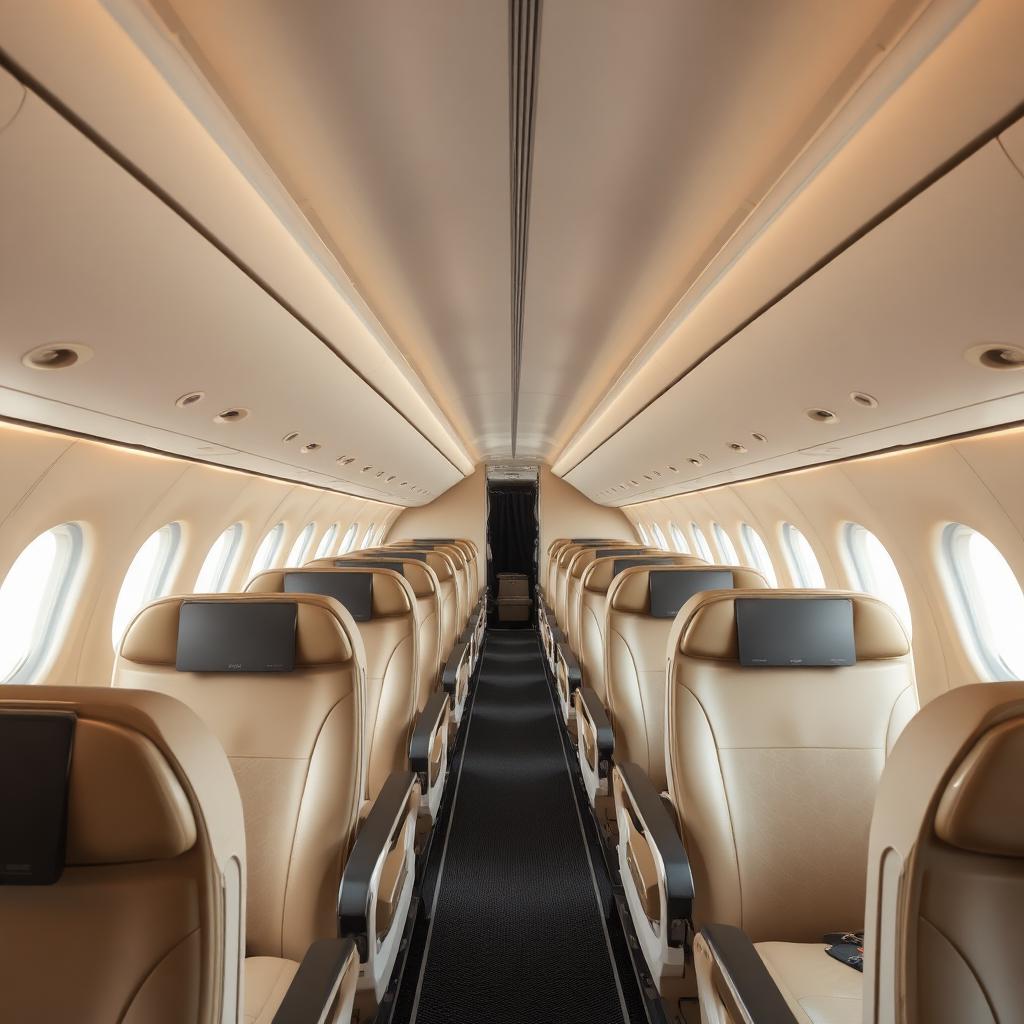
777 cabins typically run two or three classes, with a standard nine-abreast economy layout and total capacity ranging from around 300 passengers on the 777-200 to nearly 400 on the 777-300ER in a typical three-class layout. Twin-aisle access and improved cabin altitude and humidity systems on later production blocks are frequently cited by airlines as long-haul comfort advantages.
Family
Variants
777-200 / 777-200ER
Original baseline and extended-range models.
777-200LR
Ultra-long-range variant; set the world distance record for a commercial airliner.
777-300 / 777-300ER
Stretched fuselage - the best-selling variant.
777F
Dedicated freighter.
777X (777-8 / 777-9)
Next-generation, folding wingtips, GE9X engines.
Enquire about this aircraft
Interested in adding a 777 to your operation? Get in touch to discuss availability and lease terms.
Enquire now