Double-deck · Quad-engine
Airbus A380
The world's largest passenger airliner
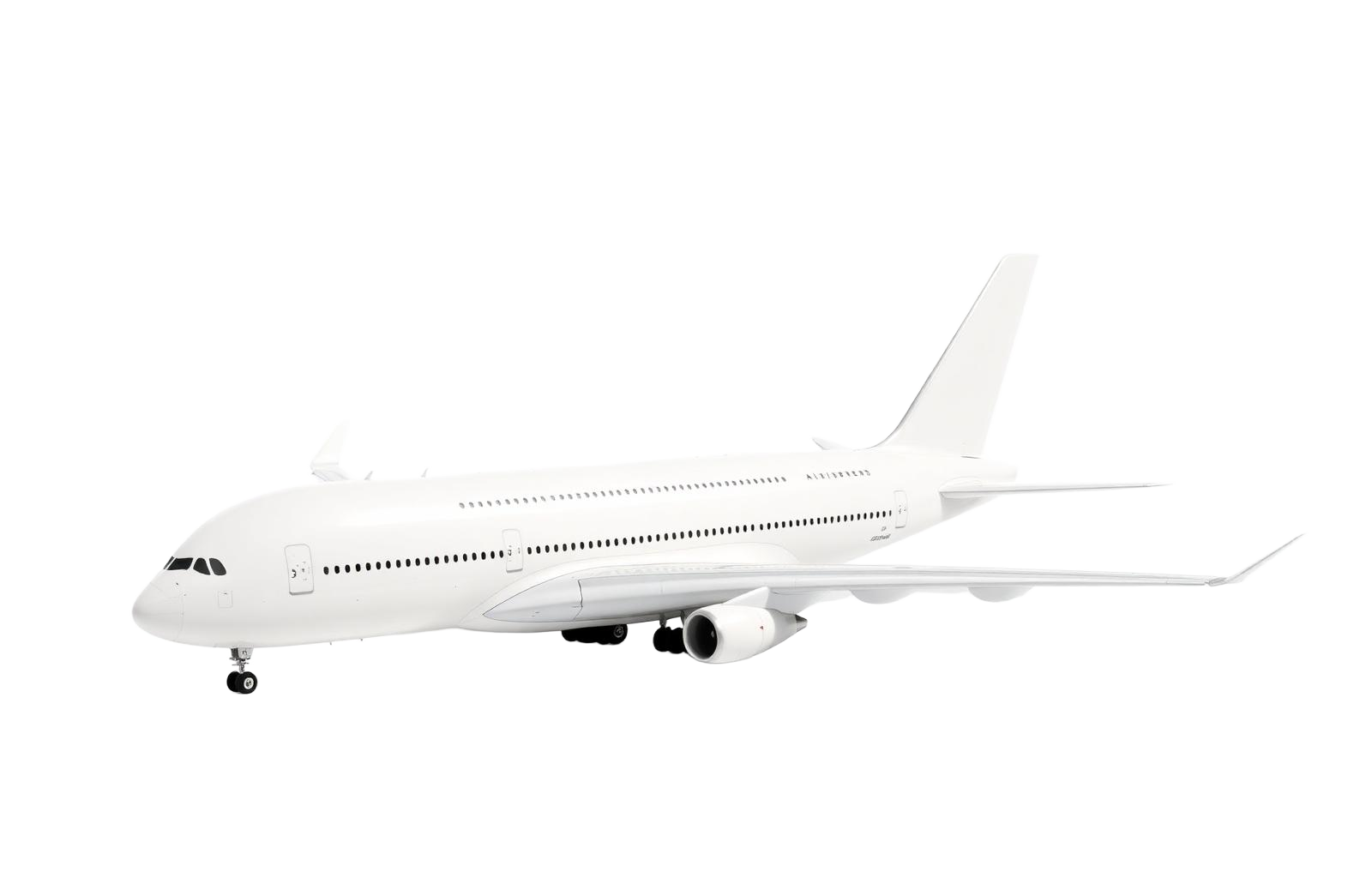
Quick specifications
Length
238 ft 7 in (72.7 m)
Wingspan
261 ft 8 in (79.75 m)
Range
8,000 nm (14,800 km)
Seating capacity
~525 (3-class), up to 853
Engine type
4 × Trent 900 or GP7200
Cruise speed
Mach 0.85
Background
History & Development
Airbus launched the A380 program in 2000 to challenge Boeing's long-standing dominance of the very-large-aircraft market with the 747. The aircraft first flew in April 2005 and entered commercial service with Singapore Airlines in October 2007, becoming the largest passenger airliner ever built. Its full-length double-deck fuselage was designed to relieve congestion on the world's busiest long-haul routes by moving more passengers per landing slot at capacity-constrained airports. Production ended in 2021 after 251 aircraft were delivered, with Emirates as by far the largest operator. Despite a shorter-than-hoped production run, the A380 remains a flagship aircraft for the airlines that fly it, prized for its quiet cabin and proven reliability on the world's highest-demand corridors.
Airframe
Design & Engineering
The A380 was Airbus's first full double-deck design, with two continuous passenger decks running the length of the fuselage rather than a partial upper deck. It was also the first commercial aircraft to use a carbon-fiber-reinforced-plastic center wing box, reducing weight while handling the loads of a four-engine aircraft with a maximum takeoff weight approaching 575 tonnes. Its wingspan requires the largest ICAO airport gate category, and many major hub airports built dedicated infrastructure to accommodate it.
Powerplant
Engines
Airlines choose between two engine options for the A380: the Engine Alliance GP7200, a joint venture of GE and Pratt & Whitney, or the Rolls-Royce Trent 900. Both are high-bypass turbofans, and the A380 remains one of the quietest large commercial aircraft in service - a frequently cited advantage at noise-sensitive airports.
On board
Cabin & Interior
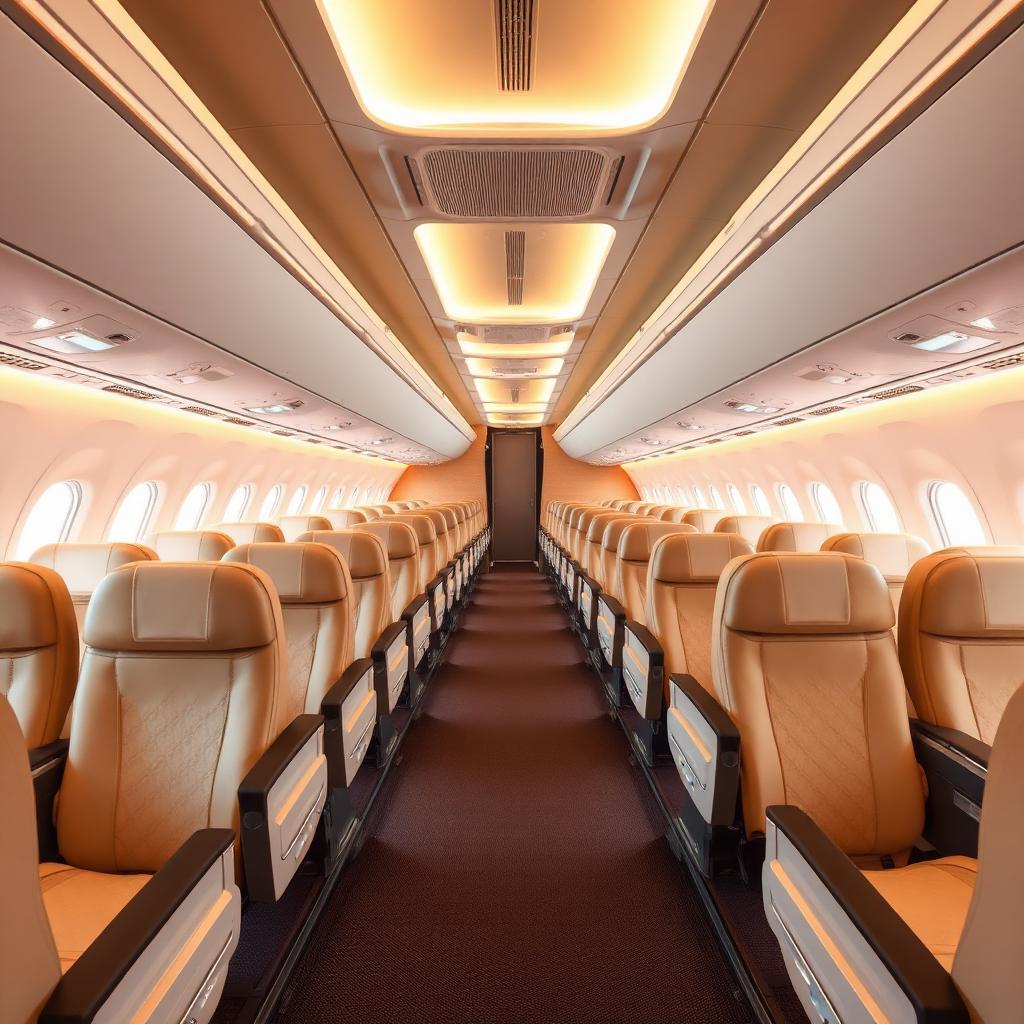
With more usable floor area than any other passenger aircraft, the A380's double-deck cabin gives airlines room for configurations rarely possible elsewhere - some operators have added onboard bars, lounges, and private shower suites in first class. A typical three-class layout seats around 500–525 passengers, while the aircraft is certified for a theoretical maximum of 853 in an all-economy configuration.
Family
Variants
A380-800
The only production passenger variant.
A380-800F
A freighter version was announced but never entered production after launch customers cancelled their orders.
Enquire about this aircraft
Considering the A380 for high-density, high-demand routes? Get in touch to discuss availability.
Enquire now